
| Research | Publications | Talks | Teaching | Honors/Awards | CV | Contact |
overview
At the intersection of mechanics and medicine, my research draws inspiration from the physical forces that underpin the rules of life. Trained in both theoretical and experimental mechanics, I explore how forces, stiffness, and microstructure govern cell and tissue behavior in both health and disease. My work uncovers how mechanical forces control cellular signaling, how the tumor microenvironment (TME) evolves biomechanically, and how these insights can be leveraged to develop technologies for diagnostics, therapeutics, and personalized medicine. I use tools from mechanobiology, microfabrication, and machine learning to drive this scientific pursuit.
innovation
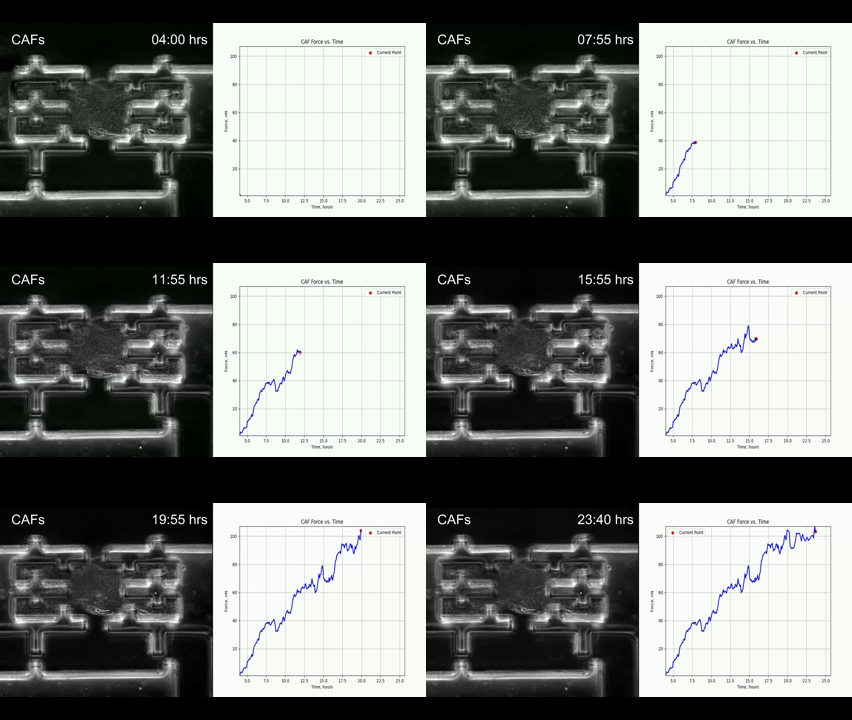
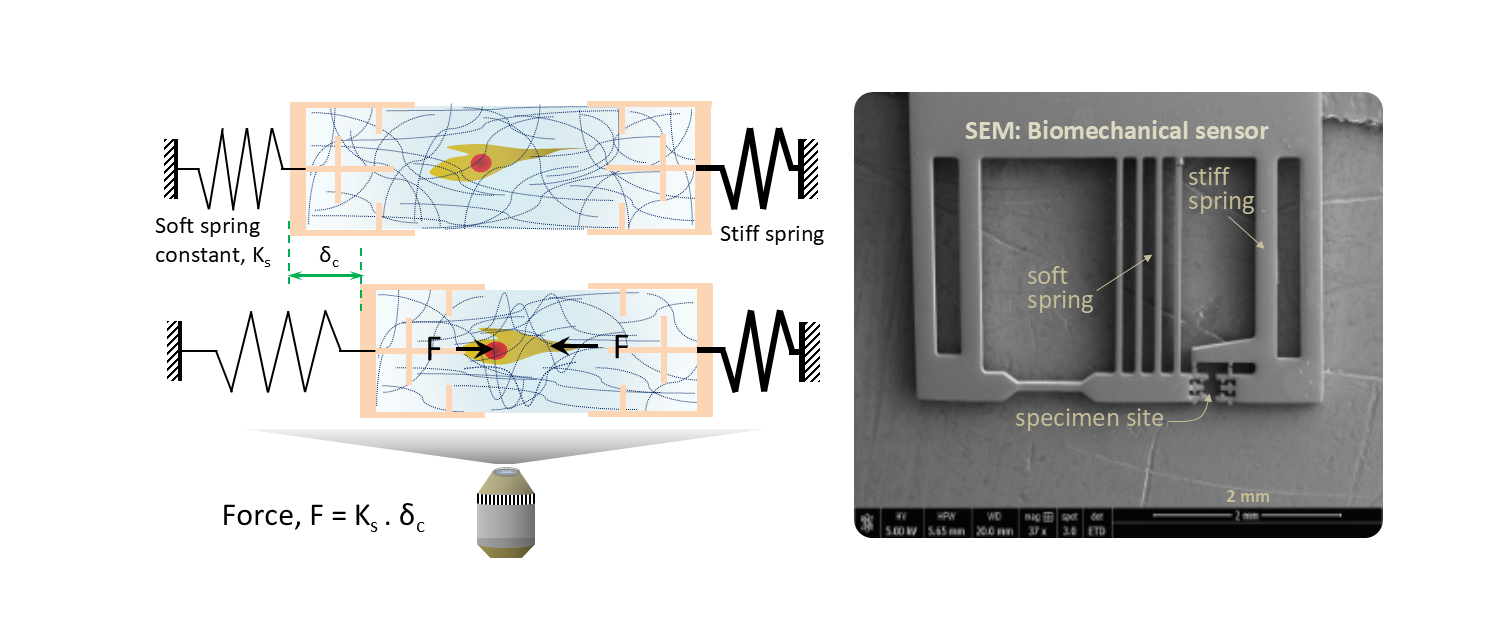
During my PhD, I developed a microfabricated force sensor that addresses a long-standing problem in cell/tissue mechanics: the inability to measure cellular forces in 3D microenvironments that evolve mechanically with time. Unlike traditional 2D traction force microscopy, this platform enables direct quantification of single- and multi-cellular forces in self-assembled 3D tissues with nanonewton resolution, alongside simultaneous readouts of matrix stiffening. These sensors have been employed to uncover dynamic mechanical interactions between cancer cells and stromal fibroblasts, revealing a feedback mechanism that promotes tumor invasion and remodeling of the extracellular matrix (ECM). Published in Science Advances & Nature Protocols, this platform lays the foundation for biomechanical assays, drug screening, and ultimately mechanics-informed precision therapies.
mechanotransduction

My research has revealed that mechanical signaling, not just chemical cues, plays a critical role in cancer cell migration and metastasis (Scientific Reports). I demonstrated that CAF (cancer-associated fibroblast) contractility drives alignment of ECM fibers and stiffening of the TME, inducing nuclear deformation that activates Yes-Associated Protein (YAP), a mechanosensitive transcription co-activator (Acta Biomaterialia). Activation of YAP upregulates genes linked to pro-metastatic behavior, including Activin A, a cytokine that further enhances invasion by the cancer cells.
Other highlights of my work include:
- Determining illumination/fluorescence intensity thresholds for live-cell imaging to prevent phototoxic artifacts (Extreme Mechanics Letters).
- Publishing a transcriptomic dataset of mechanosensitive CAFs, linking force-driven matrix stiffening to gene expression (Scientific Data).
- Establishing traction as a cytotoxicity readout - I demonstrated that cell traction measurements can serve as an early, sensitive metric of cytotoxic response, often preceding morphological changes, thereby enabling force-based toxicity screening that complements viability and biochemical assays (ACS Nano & Nature Electronics).
Collectively, these findings build a mechanistic framework for how forces shape cell behavior and tumor progression, opening new avenues for clinical translation.
neuromechanics
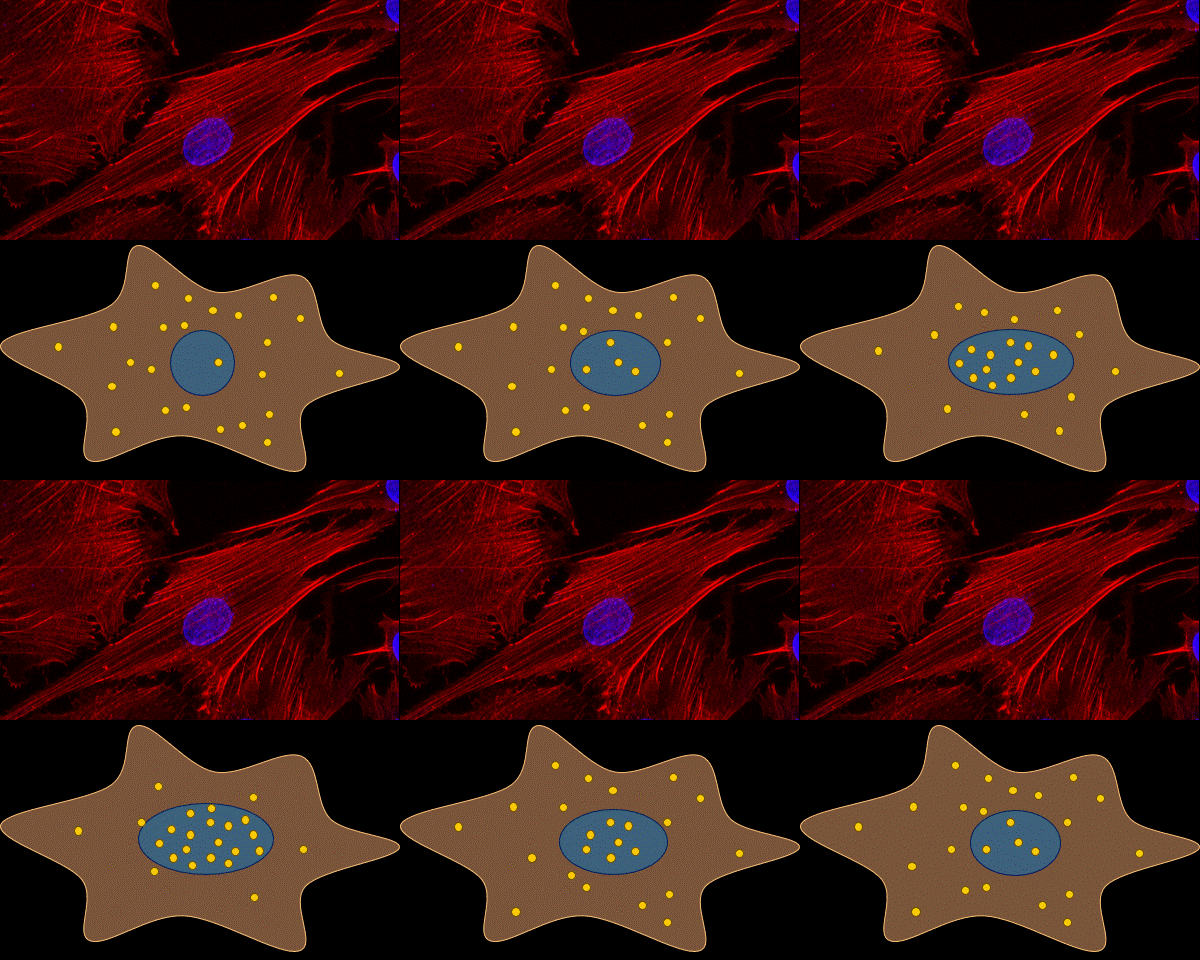
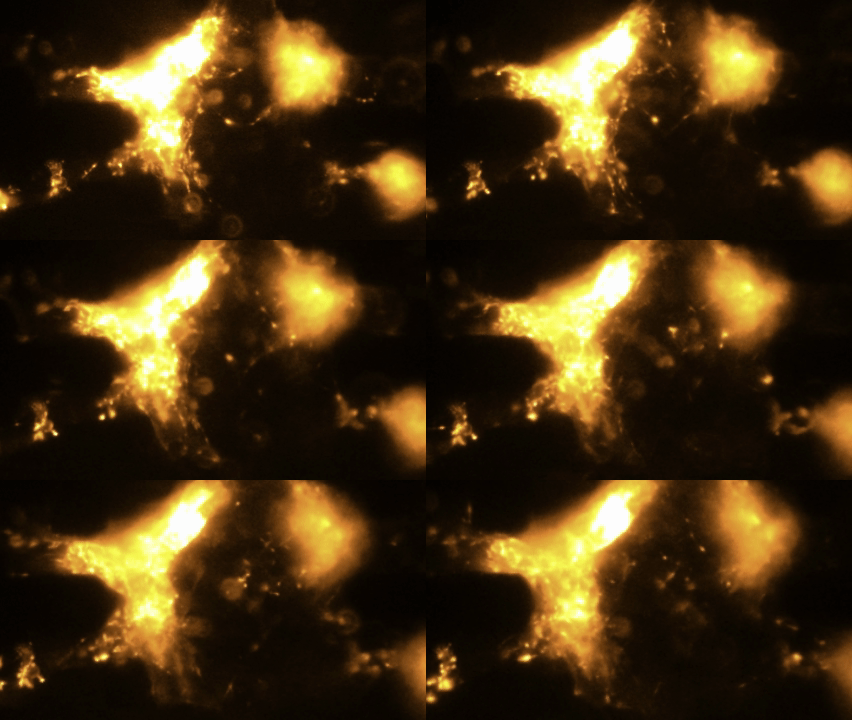
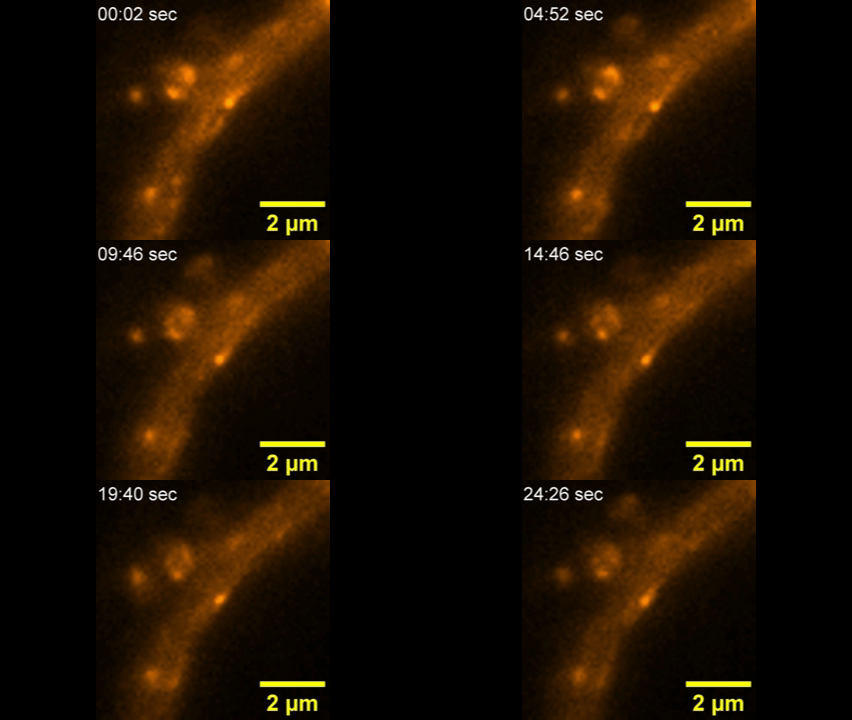
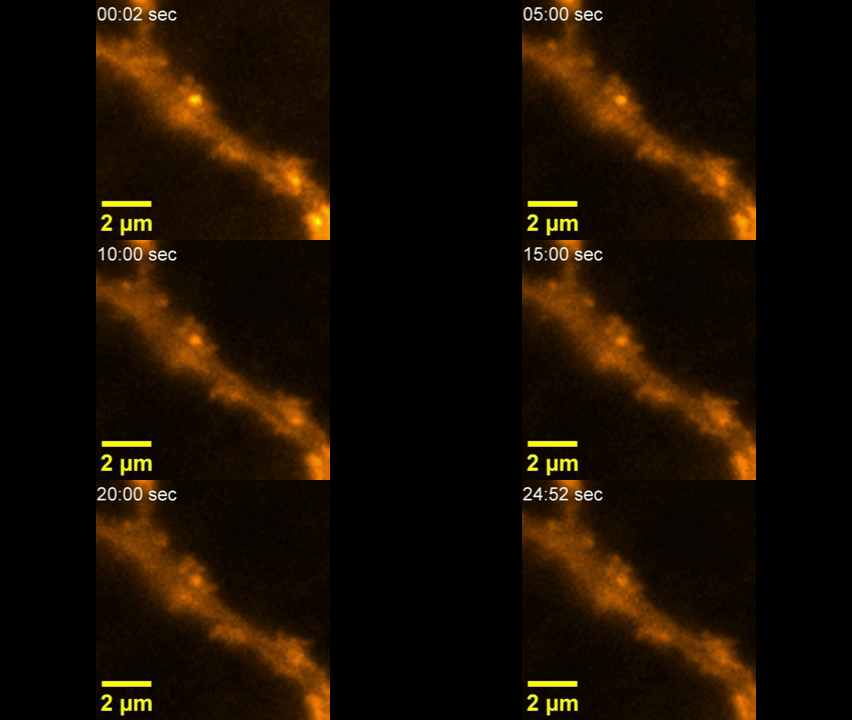
In a recent collaboration published in PNAS, we discovered that neuronal contractility is essential for synaptic firing. Using a 3D hippocampal neuron network cultured on a nanonewton-resolution force sensor, we found that neurons generate tension upon forming synapses—and this mechanical tension directly supports their ability to fire. Disrupting contractility caused a ~90% reduction in activity, which reversed upon restoring force, indicating that tension is not just a byproduct, but a requirement for synaptic transmission. This work also revealed that contractility promotes vesicle clustering at presynaptic terminals, further supporting its role in synaptic readiness. These findings introduce a new mechanistic paradigm: neurons need physical tension to communicate, with implications for neurodevelopment, learning, and disorders where mechanical integrity is compromised.
mechanics for personalized medicine
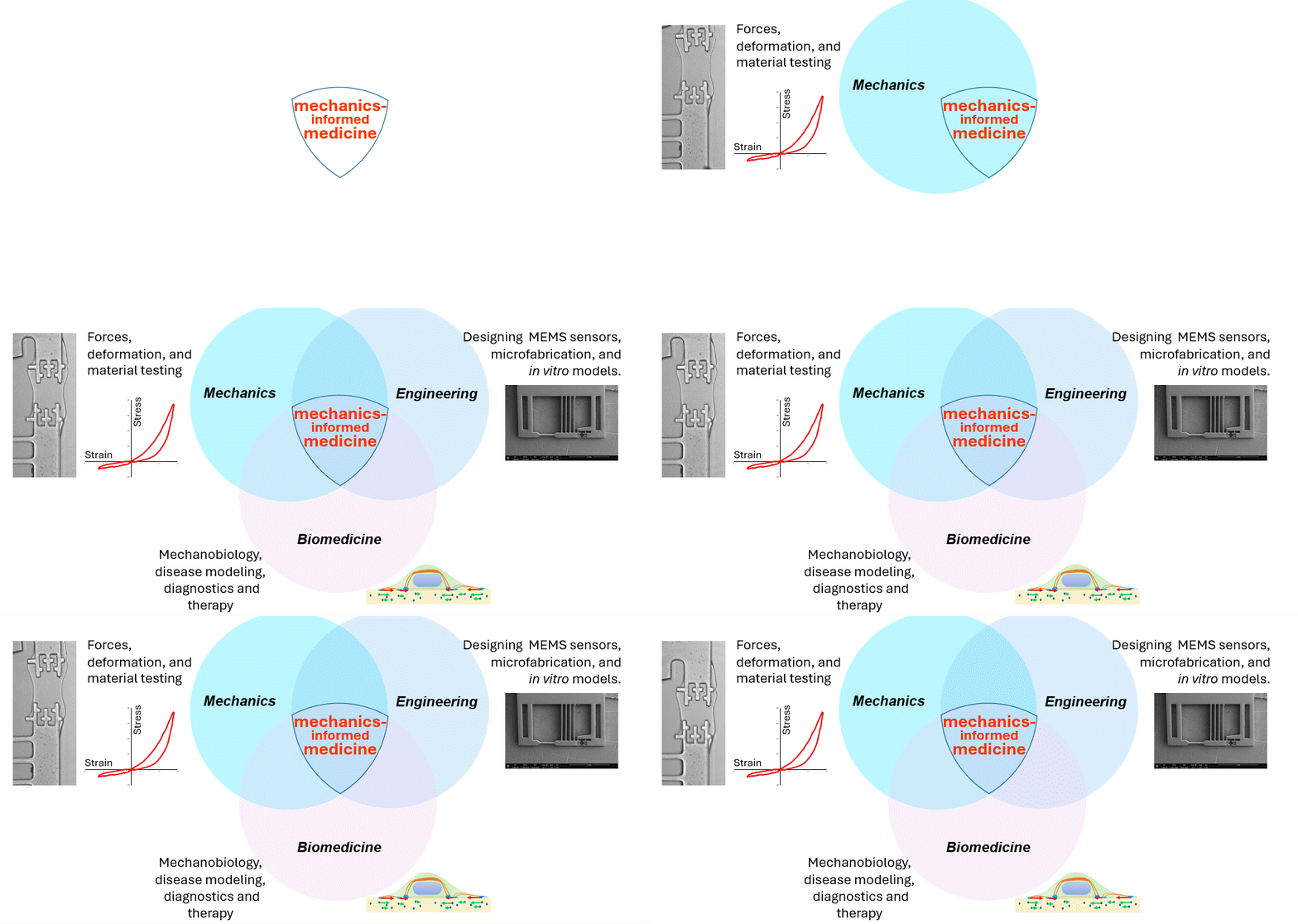
Looking ahead, I envision an interdisciplinary research program that uses mechanics to understand disease, identify predictive biomechanical signatures, and develop technologies for personalized diagnosis and therapy. My future work will center on three interconnected directions:
1. Mechanobiology of Disease
I aim to uncover how physical forces, tissue mechanics, and extracellular matrix remodeling regulate disease progression. In cancer, I will investigate how cellular contractility, nuclear deformation, and matrix architecture influence invasion and metastasis. These studies will extend to complex disease models such as glioblastoma-on-a-chip, where engineered brain-like microenvironments can reveal how astrocyte contractility, ECM remodeling, and blood-brain-barrier mechanics regulate tumor dissemination.
2. Mechanics-Based Diagnostics and Therapeutics
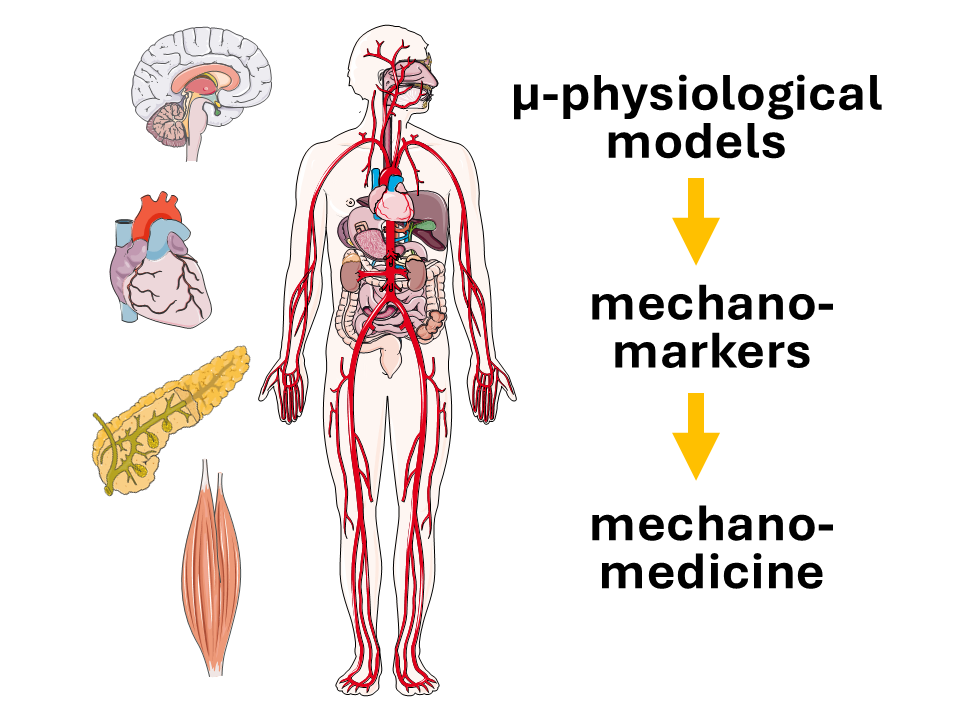
A major goal of my research is to translate biomechanical measurements into clinically actionable tools. By integrating tumor histology, tissue mechanics, and machine learning, I will identify mechanical signatures, such as nuclear strain, tissue stiffness, cellular force, and fiber architecture, that predict disease progression and therapeutic response. I refer to these predictive mechanical signatures as mechanomarkers. In parallel, I will develop force-targeted therapeutic strategies, including approaches that suppress pathological cell contractility or decouple nuclear deformation from cytoskeletal force, to test whether disrupting the mechanical drivers of disease can limit invasion and metastasis.
3. Engineered Living Systems and Biomechanical Technologies
To enable these studies at scale, I will develop next-generation platforms for measuring and manipulating mechanics in living tissues. High-throughput MEMS sensor arrays will provide automated measurements of force, stiffness, remodeling, and other mechanomarkers in patient-derived tissues, creating opportunities for drug screening and personalized treatment selection. Over the longer term, I envision extending these technologies toward implantable and biohybrid systems, including sensors integrated with iPSC-derived muscle actuators and wearable or implantable devices capable of monitoring mechanical and physiological signals in vivo.
Together, these directions establish a unified framework in which fundamental mechanobiology informs new diagnostic markers and therapeutic strategies, while advanced sensing technologies provide the tools needed to translate mechanical insight toward personalized medicine.
Selected Publications
Biomechanical 3D tumor models on a micro-milled high-throughput force sensor array
Emon, B. et al., Biofabrication, 18, 025015 (2026). https://doi.org/10.1088/1758-5090/ae5347
A multifunctional sensor for cell traction force, matrix remodeling and biomechanical assays in self-assembled 3D tissues in vitro
Emon, B et al., Nature Protocols, 20, 2005–2033 (2025) . https://doi.org/10.1038/s41596-024-01106-8
Nuclear deformation regulates YAP dynamics in cancer associated fibroblasts
Emon, B. et al., Acta Biomaterialia, 173, 93–108 (2024). https://doi.org/10.1016/j.actbio.2023.11.015
A novel method for sensor-based quantification of single/multi-cellular traction dynamics and remodeling in 3D matrices
Emon, B. et al., Science Advances, 7(15), eabf2629 (2021). https://doi.org/10.1126/sciadv.abf2629
Dose-independent threshold illumination for non-invasive time-lapse fluorescence imaging of live cells
Emon, B. et al., Extreme Mechanics Letters, 46, 101249 (2021). https://doi.org/10.1016/j.eml.2021.101249